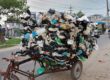
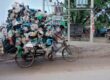
Every year, Dhaka’s waterlogged streets during monsoon season tell the same tragic story and discarded plastic is writing it.
Walk through any neighborhood in Dhaka after a heavy rain and you will find the same scene repeated block after block: streets turned into rivers, homes ankle-deep in dirty water, and residents wading through sewage. The official explanation is always “heavy rainfall.” But the real culprit is hiding in plain sight, and it has been building up for years inside our drainage pipes.
Plastic waste is silently strangling the drainage and sewage systems that our city depends on. At KS Rubber Industries, we have made it our mission to be part of the solution through responsible plastic recycling. But first, we need to understand how plastic gets into our drains and what it costs all of us.
How plastic finds its way into your drains
Most people imagine drainage blockages as a problem caused by someone deliberately dumping waste. The truth is far more mundane and far more widespread. A plastic bag dropped on a footpath, a polythene packet thrown from a rickshaw, a water bottle left on a riverbank all of it travels. Rain washes lightweight plastics off roads and into roadside gutters. Wind carries wrappers into open drains. Markets and tea stalls situated near water channels contribute daily loads of packaging waste directly into the system.
What happens inside the pipe
Once inside a drain, plastic does not simply pass through. Unlike organic waste, plastic does not degrade. A polythene bag entering a pipe can survive there for decades. It begins to catch on rough edges, joints, and bends forming a partial barrier. Silt, food waste, and organic matter collect against this barrier. The blockage grows. What started as a single wrapper eventually becomes a dense, compacted mass that no amount of rainfall can dislodge.
“When a drain is 30% blocked by plastic, its capacity to carry stormwater drops by more than half. By the time it is 60% blocked, the drain is effectively useless during heavy rain.”
Large diameter sewer pipes are not immune either. Single-use plastic bottles, multi-layer packaging, and thick polythene sheets collect at bends and junctions. When these blockages rupture under pressure, the sewage they were holding backs up emerging through manholes, into homes, and into the very water sources communities depend on.
The Human Cost in Dhaka
For Dhaka’s residents particularly those in low-lying areas like Demra, Keraniganj and Jatrabari the flooding caused by clogged drainage is not a minor inconvenience. It is a public health emergency that repeats every monsoon season. Waterborne diseases including cholera, typhoid, and dengue surge in the weeks following flooding. Children miss school. Businesses close. Roads become impassable. The economic damage runs into billions of Takas every year.
The burden falls hardest on those who can afford it least. Slum communities and low-income households have no elevation to retreat to. When sewage-contaminated floodwater enters a home, it destroys stored food, bedding, and the few possessions a family owns. Recovery takes months. Many families never fully recover before the next monsoon arrives.
Microplastics: The Invisible Threat Below
Beyond the visible blockages, there is a slower, quieter crisis unfolding. As plastic debris sits in waterways and drainage systems, it breaks down under sunlight and pressure into microplastic particles fragments smaller than 5 millimeters. These microplastics pass through drainage filters, enter groundwater, and eventually reach the food chain through fish, vegetables irrigated with contaminated water, and even drinking water sources. The health effects of long-term microplastic ingestion are still being studied but the early evidence is deeply concerning.
What We Can Do Together
Separate plastic waste at source and hand it to registered recyclers every piece collected is one less piece entering a drain.
Switch from single-use polythene bags to reusable cloth or jute bags for daily shopping and market visits.
Encourage markets, tea stalls, and food vendors near water channels to use collection bins provided by city authorities.
Support plastic recycling initiatives like KS Rubber Industries recycled plastic becomes raw material, not drain blockage.
Participate in community clean-up drives before and after monsoon season to clear accumulated plastic from open drains.
Recycling Is Not Optional It Is Urgent
At KS Rubber Industries, we collect and recycle plastic waste, transforming materials that would otherwise end up in Dhaka’s drains and waterways into useful products. Recycling breaks the chain that leads from a discarded wrapper on the street to a flooded home three months later. It creates jobs. It reduces the volume of plastic entering the urban environment. And it signals to the broader market that waste has value which changes behavior across the supply chain.
No single company can solve this alone. But the solution starts with recognising that plastic in the wrong place is not just an eyesore. It is infrastructure damage. It is a public health threat. It is the flood that will come, as certain as the monsoon itself, unless we act now.